Biomedical performance verification
Medical equipment requires device-specific electrical safety and functional checks under the applicable management program. ETS provides individual equipment reporting within its confirmed biomedical capability.
Healthcare and aged care facilities manage everyday workplace appliances, specialist medical equipment and protected clinical electrical installations. Electrical Testing Services (ETS) coordinates these testing streams through one provider while retaining the different standards, personnel and reporting each requires.
We'll come back with a clear scope and next step.
Hospitals, aged care homes, medical centres and dental facilities contain equipment across clinical departments, resident areas, kitchens, offices, maintenance spaces and cleaning operations. The testing program needs to separate ordinary workplace assets from medical equipment and patient treatment areas.
Access can be planned by department, equipment group or facility so testing supports care delivery rather than creating avoidable interruption.
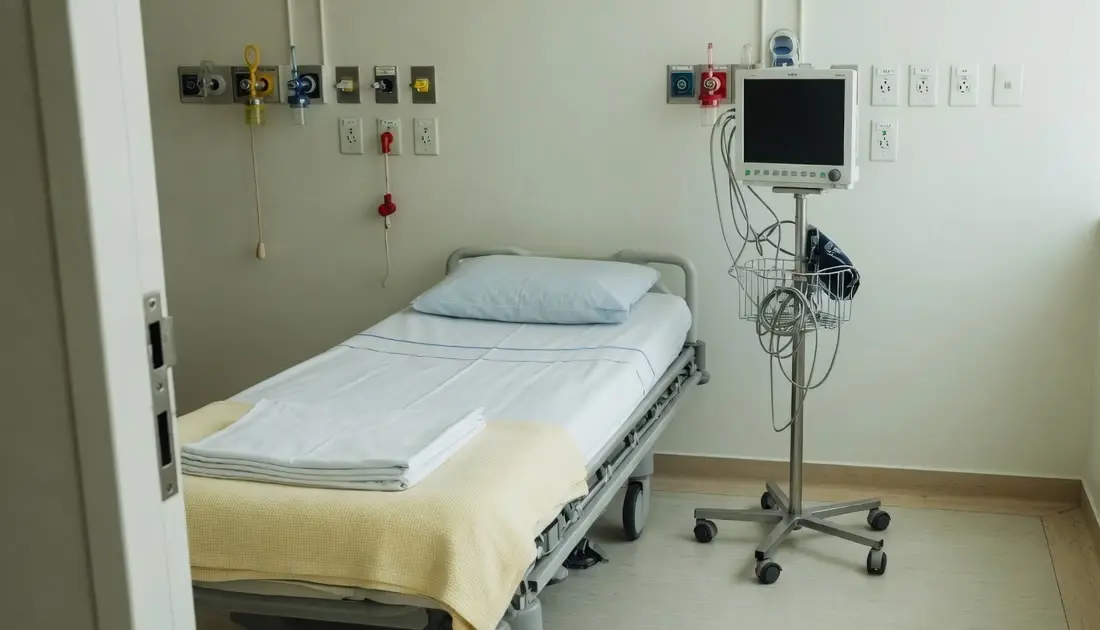
Portable and plug-in equipment used in administration, kitchens, maintenance, cleaning and non-clinical areas can be inspected, tested and recorded through the regular ETS test and tag process.
Asset identification is important where equipment moves between wards, resident rooms, departments or facilities.
Clinical availability, infection control requirements, restricted rooms and replacement equipment can affect the schedule. ETS works with facility and department contacts to establish which assets and areas are available at each stage.
A central plan can coordinate individual sites or larger healthcare portfolios while preserving the specific records required for each equipment type and protected area.
Medical equipment requires device-specific electrical safety and functional checks under the applicable management program. ETS provides individual equipment reporting within its confirmed biomedical capability.
Protected clinical areas require installation-level testing, RCD verification and specialist inspection under AS/NZS 3003. Appropriately qualified personnel are assigned to the work.
Biomedical results remain connected to the specific device and procedure completed.
Regular assets and patient areas can be grouped by facility, department, room or clinical area.
Central reporting helps healthcare organisations review completed testing, defects and upcoming requirements across several properties.
Safety switches and electrical condition inspections can support the wider facility maintenance program.
Routine servicing can be coordinated across the property's fire and evacuation systems.
Licensed electrical personnel can address installation faults within the confirmed service scope.
ETS assigns biomedical technicians and appropriately qualified healthcare electrical personnel to specialist work. Class M inspectors are used where the inspection and jurisdiction require that authorisation.
Biomedical equipment and patient treatment areas are assessed against the current standards and procedures relevant to the confirmed scope, including AS/NZS 3551 and AS/NZS 3003 where applicable.
Results are recorded against the specific device, room or protected area. This gives clinical engineering, facility and compliance teams a clear basis for follow-up action.
ETS can coordinate regular electrical testing, specialist biomedical work and supporting property services through one national provider, subject to personnel and service availability.
ETS operates under NATA accreditation for applicable inspection activities and maintains certified systems for quality, safety and environmental management.
ETS supports healthcare and aged care organisations across Australia through national systems, strategically located personnel and specialist service coordination.
Provide the facilities, equipment groups, clinical areas and reporting requirements that need to be covered. The team can build one program while preserving the separate procedures and records required for each testing stream.