Manufacturing sites combine portable tools, workshop equipment and plug-in assets with production schedules that leave little room for unplanned downtime. Electrical Testing Services (ETS) plans testing around active work areas while keeping each item and result visible in the asset record.
Manufacturing sites combine portable tools, workshop equipment and plug-in assets with production schedules that leave little room for unplanned downtime. Electrical Testing Services (ETS) plans testing around active work areas while keeping each item and result visible in the asset record.
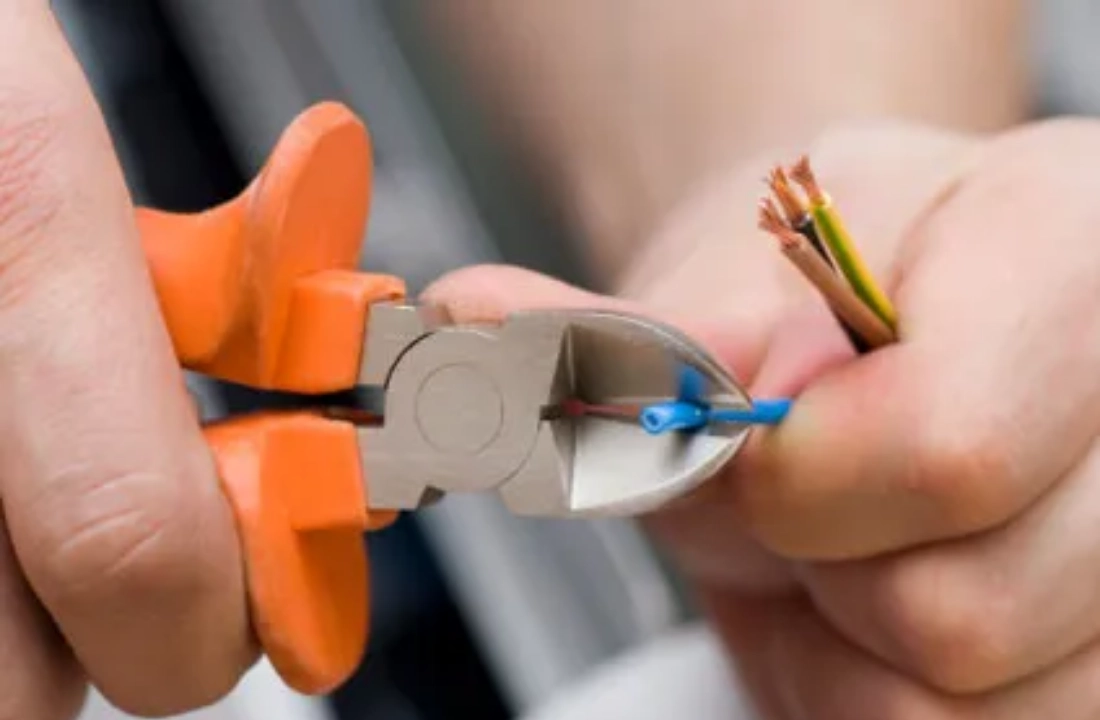
Equipment may move between benches, maintenance areas and production lines, with leads exposed to dust, vibration, heat or impact. The testing program needs to reflect those conditions and the way each department operates.
Work can be staged around shifts, planned shutdowns or nominated access windows so high-use equipment is unavailable for the shortest practical period.

Dust, moisture, mechanical damage, vibration and frequent movement can shorten the useful life of cords, plugs and appliance enclosures. These conditions may require shorter inspection and testing intervals than equipment in protected areas.
ETS records the operating location and equipment group so the schedule can distinguish workshop assets from lower-risk office or administration equipment.
Equipment can be released in batches by line, department or work area rather than removing a large part of the site from service at once.
Testing windows can be aligned with quieter shifts, maintenance periods or planned shutdowns where access and operational priorities allow.
A nominated contact helps technicians understand access, isolation and production restrictions before work begins.
Failed equipment is identified and reported immediately so replacement or repair can be organised without uncertainty.
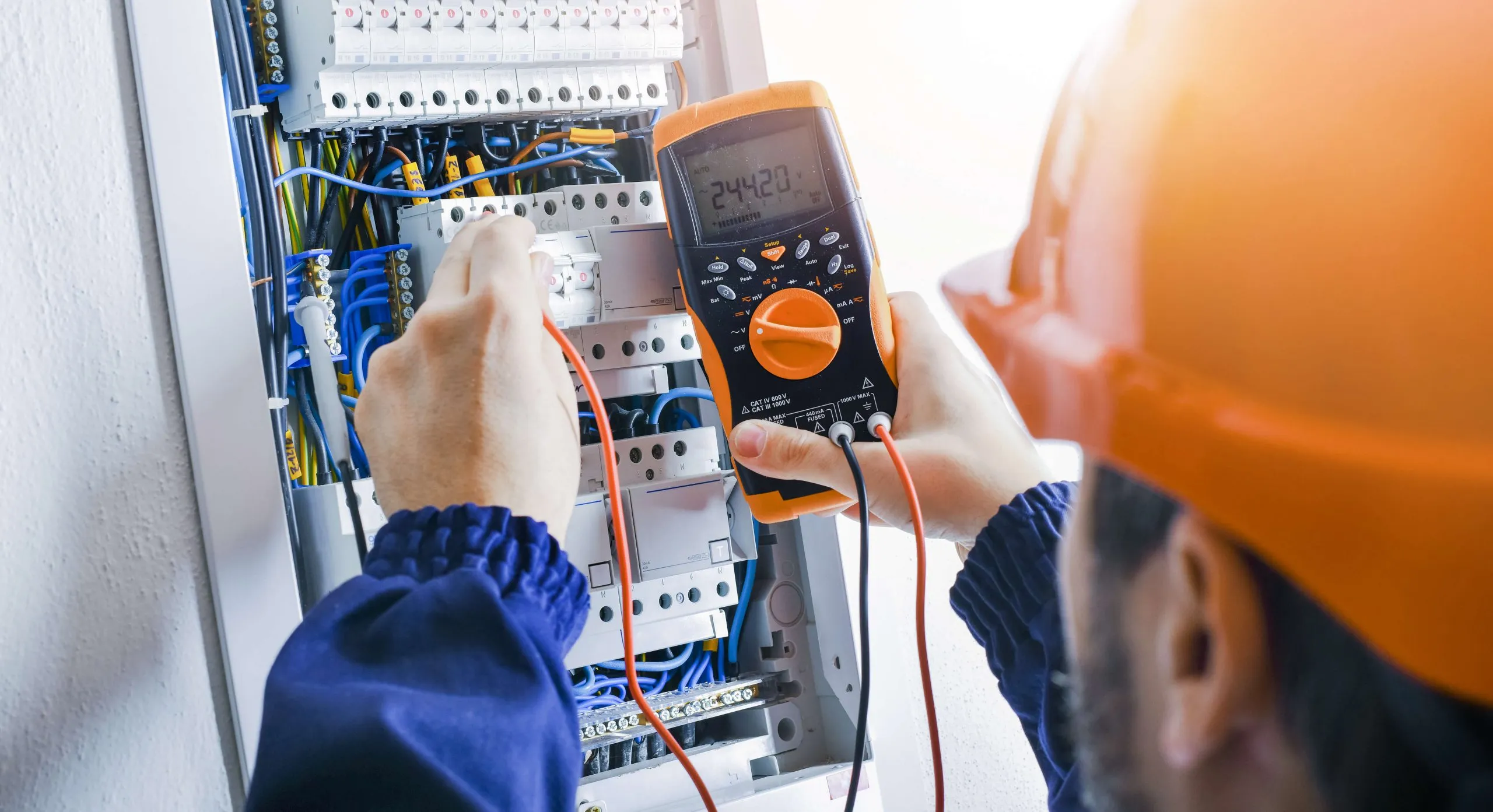
Infrared inspections can identify abnormal heat patterns in operating switchboards, connections and plant support equipment.
Safety switch testing and licensed electrical work can address installation-level issues and failed devices.
Routine servicing can be coordinated across fire assets installed throughout the facility.
Sites with substantial inductive loads can be assessed where poor power factor affects system capacity or network charges.
ETS technicians follow documented procedures and the standards relevant to each service. This supports consistent work across individual properties, regional programs and larger portfolios.
The wider ETS team includes licensed electricians, thermographers, fire service personnel and biomedical specialists. Work can be directed to the technical discipline required for the agreed scope.
Barcode identification and item-level records keep results linked to the correct asset. ETS reporting systems give clients a practical view of completed work, defects and future requirements.
ETS operates under NATA accreditation for applicable inspection activities and maintains certified management systems for quality, safety and environmental performance.
ETS has delivered workplace testing services since 2002. Its national operating model supports single sites and organisations managing properties across several states.
ETS has offices and strategically located personnel throughout Australia. The team supports individual properties, regional programs and national portfolios through one service provider.
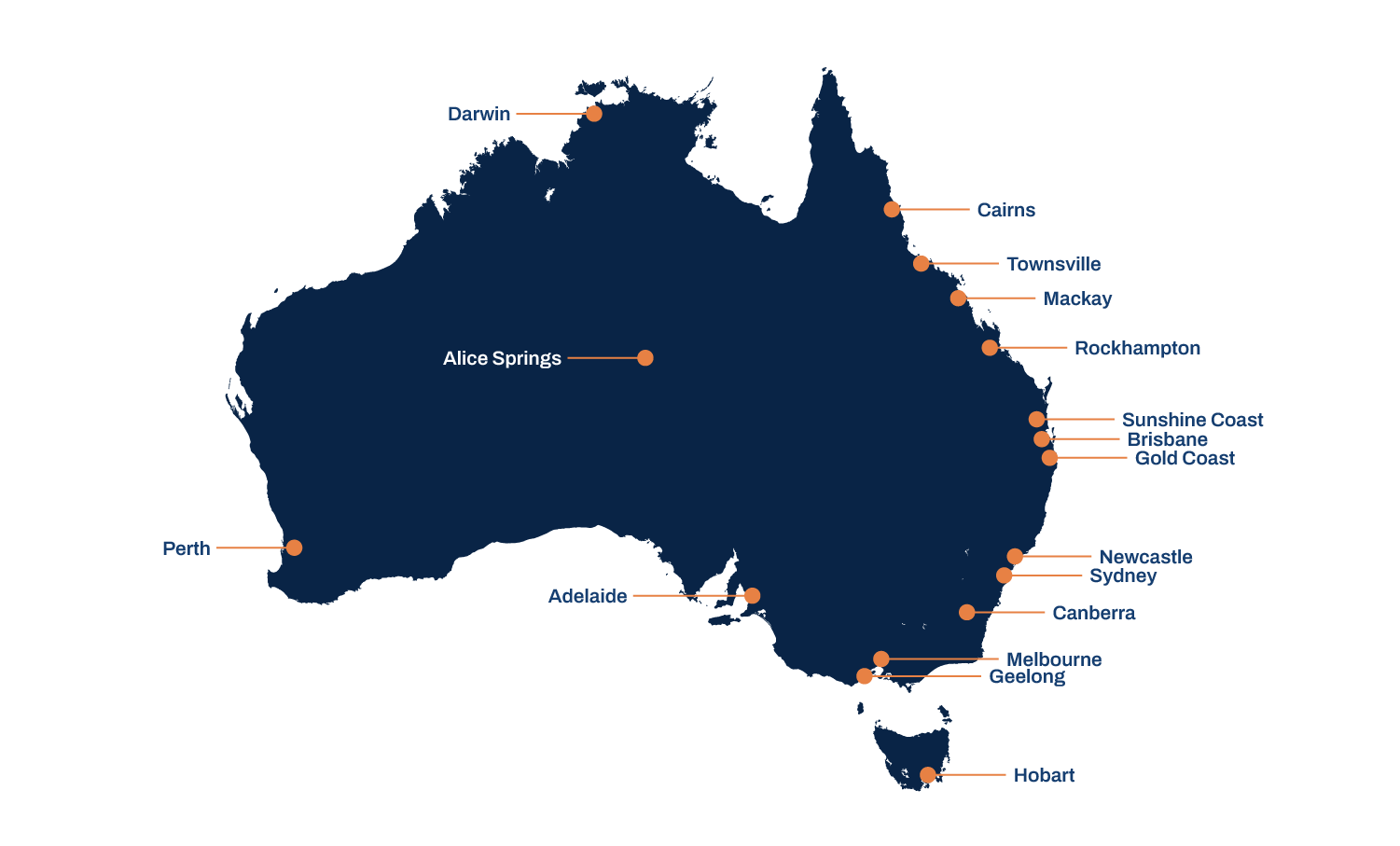
Sydney, Newcastle, Wollongong and Broken Hill
Brisbane, Gold Coast, Sunshine Coast, Cairns, Townsville, Toowoomba and Mt Isa
Perth, Geraldton, Broome, Port Hedland and Kununurra
Darwin and Alice Springs
Provide the plant areas, shifts, equipment volumes and access restrictions that need to be considered. ETS can stage the work around production and keep asset records and follow-up actions clear.
Call the national desk or send a quote request — we’ll confirm testing sequence and reporting.