A test and tag interval is the period between scheduled inspections and electrical tests of workplace electrical equipment. The appropriate interval depends on the type of equipment, how and where it is used, and the requirements that apply in the relevant jurisdiction.
ISO 17020 · ISO 9001 · ISO 45001 · ISO 14001




A test and tag interval is the period between scheduled inspections and electrical tests of workplace electrical equipment. The appropriate interval depends on the type of equipment, how and where it is used, and the requirements that apply in the relevant jurisdiction.

Electrical equipment used in workshops, construction areas or cleaning operations may be exposed to significantly more wear than equipment that remains undisturbed in a low-risk office environment. Frequent movement, flexing, impact, moisture, dust and other conditions can affect how often equipment needs to be inspected and tested.
Applicable state or territory requirements should be considered alongside relevant standards, including AS/NZS 3760 for in-service inspection and testing and AS/NZS 3012 for construction and demolition sites. A competent person should determine the appropriate testing schedule for the workplace and equipment involved.
The examples below provide general guidance for planning a testing program. Actual inspection and testing intervals should be confirmed against the current requirements, standards and risk conditions that apply to the workplace.
Portable electrical equipment, tools and leads may require testing at relatively short intervals, with three-monthly testing common in construction environments. Requirements should be confirmed against AS/NZS 3012 and applicable local rules.
Equipment exposed to regular movement, wear or adverse operating conditions may require more frequent inspection and testing. The appropriate interval depends on the equipment, its exposure and applicable requirements.
Equipment that is regularly transported or used across different locations may require more frequent inspection and testing because of the increased potential for wear or damage.
Longer testing intervals may be appropriate for equipment that remains protected from damage and is not regularly moved or handled. Applicable requirements should still be confirmed for the workplace.
Equipment should be inspected between hires, with scheduled electrical testing based on hire-specific obligations and the equipment type.
Electrical equipment that has been repaired following a fault or safety issue should be appropriately inspected and tested before being returned to service, with relevant repair and test records retained.
Maintaining a consistent asset record helps ensure each item's test history, results and future requirements remain associated with the correct equipment. Grouping assets by operating environment, department or service schedule can also help businesses manage equipment with different inspection and testing requirements.
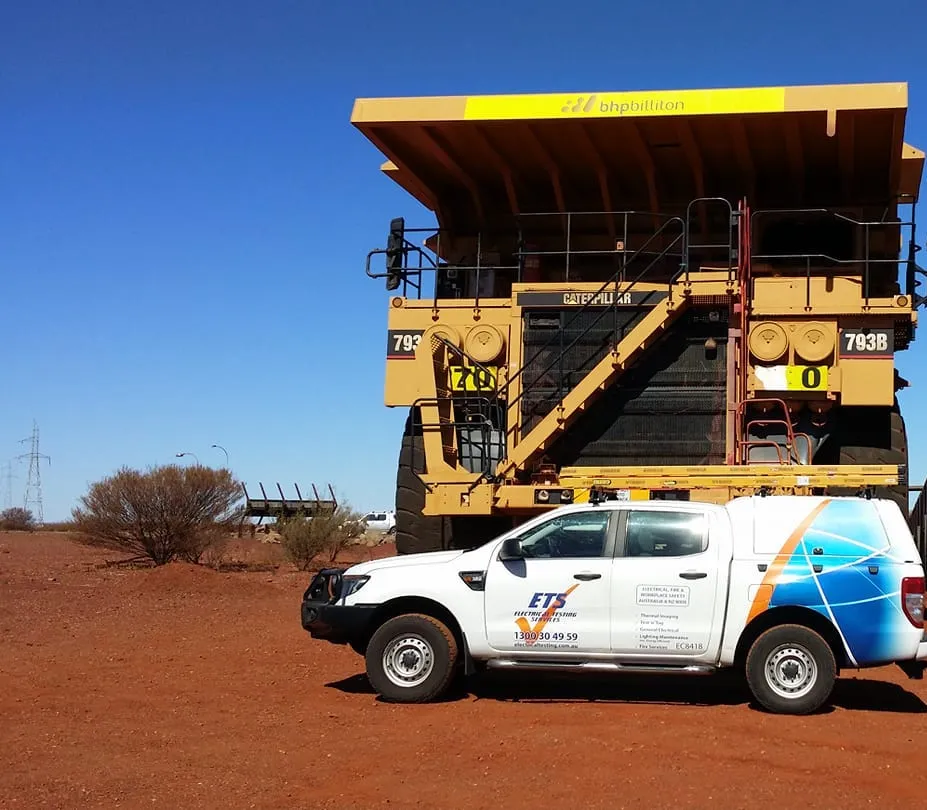
Electrical Testing Services (ETS) records completed work and relevant testing information through its reporting systems. Asset histories can help identify recurring failures, overdue equipment and assets that have moved between locations

The appropriate test and tag interval depends on your equipment, operating environment and applicable requirements. Provide ETS with details of your equipment, working conditions and existing testing records, and the team can help determine an appropriate testing schedule for your workplace
Call the national desk or send a quote request — we’ll confirm testing sequence and reporting.