Businesses have a responsibility to manage electrical risks in the workplace and ensure electrical equipment is safe to use. Inspection and testing can form part of this process by helping identify unsafe equipment and providing records of completed electrical safety checks.
ISO 17020 · ISO 9001 · ISO 45001 · ISO 14001
Businesses have a responsibility to manage electrical risks in the workplace and ensure electrical equipment is safe to use. Inspection and testing can form part of this process by helping identify unsafe equipment and providing records of completed electrical safety checks.
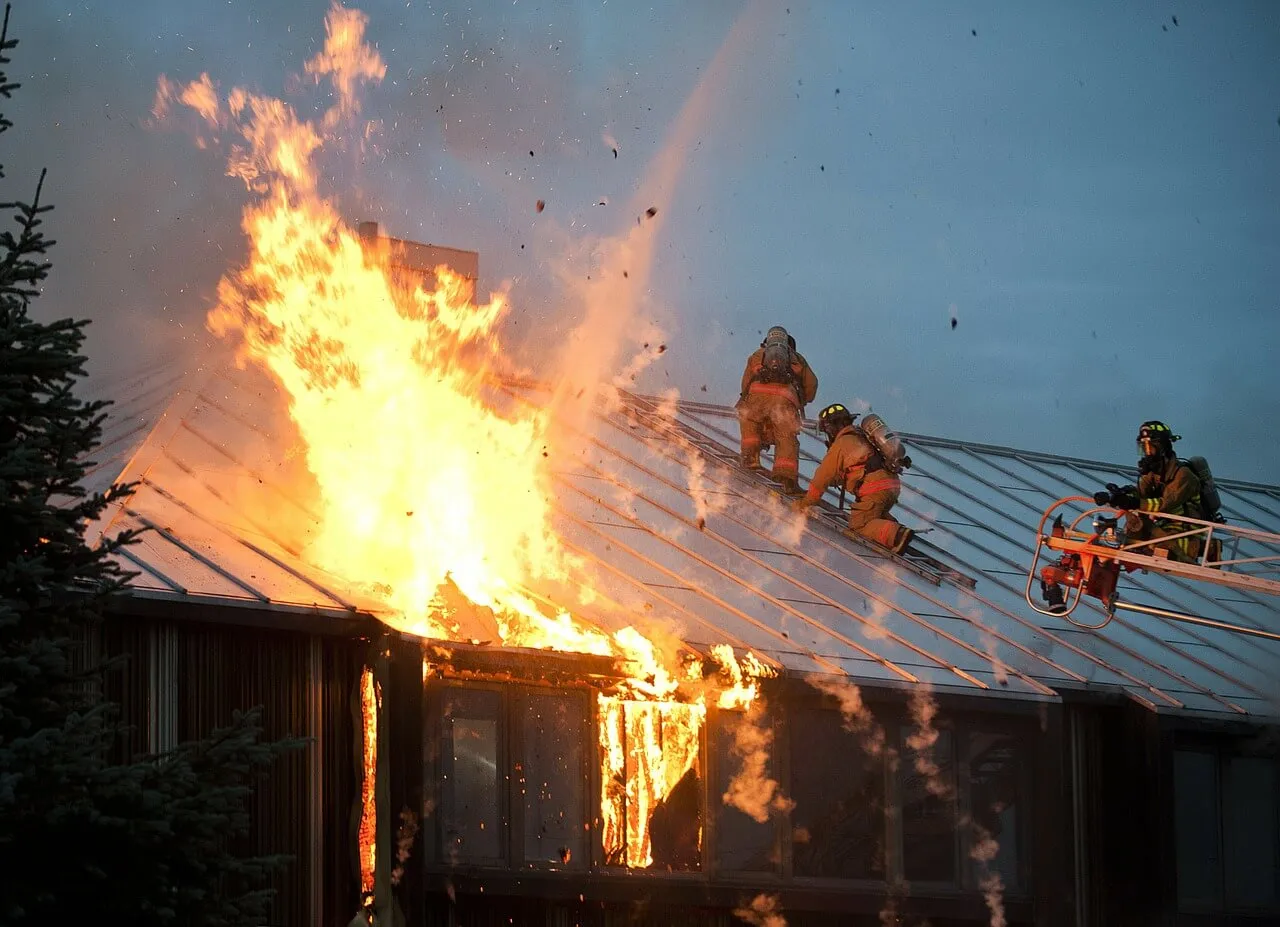
Electrical equipment used in the workplace should be selected, used and maintained to minimise electrical safety risks to workers and others. Equipment that is damaged, faulty or suspected of being unsafe should be removed from service and appropriately assessed before being used again.
Electrical safety requirements vary between Australian states and territories and may also depend on the type of workplace, equipment and operating environment. Businesses should consider current regulator requirements and guidance, applicable standards and workplace risk assessments when establishing inspection, testing and maintenance procedures.
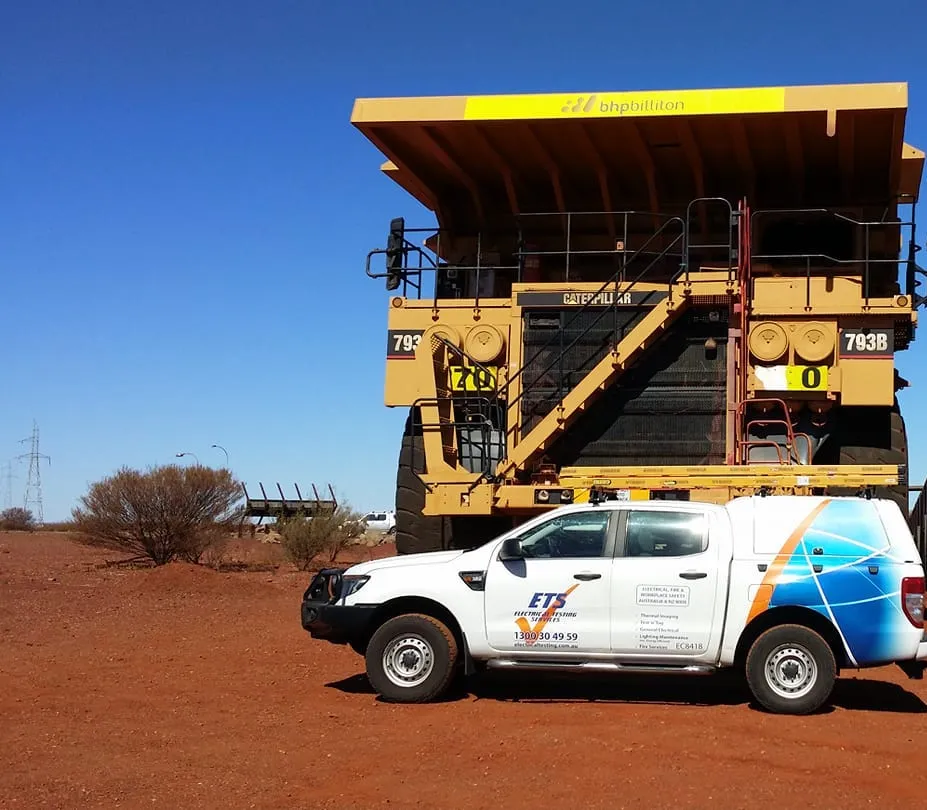
A test and tag program provides a systematic way to identify equipment, inspect its condition, complete applicable electrical tests and record the results. Equipment that fails an inspection or test can then be removed from service and referred for repair, replacement or further assessment.
Inspection and testing are only part of a broader electrical safety program. Regular user checks, appropriate equipment selection, RCD protection where required, preventative maintenance and effective fault-reporting procedures can all contribute to managing electrical risks.
Electrical inspection and testing requirements are not identical across Australia. Some jurisdictions prescribe requirements for particular equipment, workplaces or types of work, while others place greater emphasis on the operating environment and assessment of electrical risk.
Businesses operating across multiple states or territories may therefore use a consistent asset and record-management system while applying different inspection, testing or maintenance requirements at individual locations.
Requirements should be reviewed when establishing or updating an electrical safety program. Testing intervals, the equipment covered and competency requirements for people carrying out inspection and testing may vary according to the jurisdiction, workplace and operating environment.
Provide ETS with your current asset records, testing schedule and relevant workplace information. The team can help identify gaps in your inspection and testing records and establish a clearer system for recording results and future testing requirements. .
Call the national desk or send a quote request — we’ll confirm testing sequence and reporting.