Electrical equipment can cause electric shock, burns or fire when components deteriorate, connections become loose or equipment is damaged or used in unsuitable conditions . Problems can develop gradually through normal use or appear after damage, moisture exposure, overloading or an equipment fault.
ISO 17020 · ISO 9001 · ISO 45001 · ISO 14001



Electrical equipment can cause electric shock, burns or fire when components deteriorate, connections become loose or equipment is damaged or used in unsuitable conditions . Problems can develop gradually through normal use or appear after damage, moisture exposure, overloading or an equipment fault.
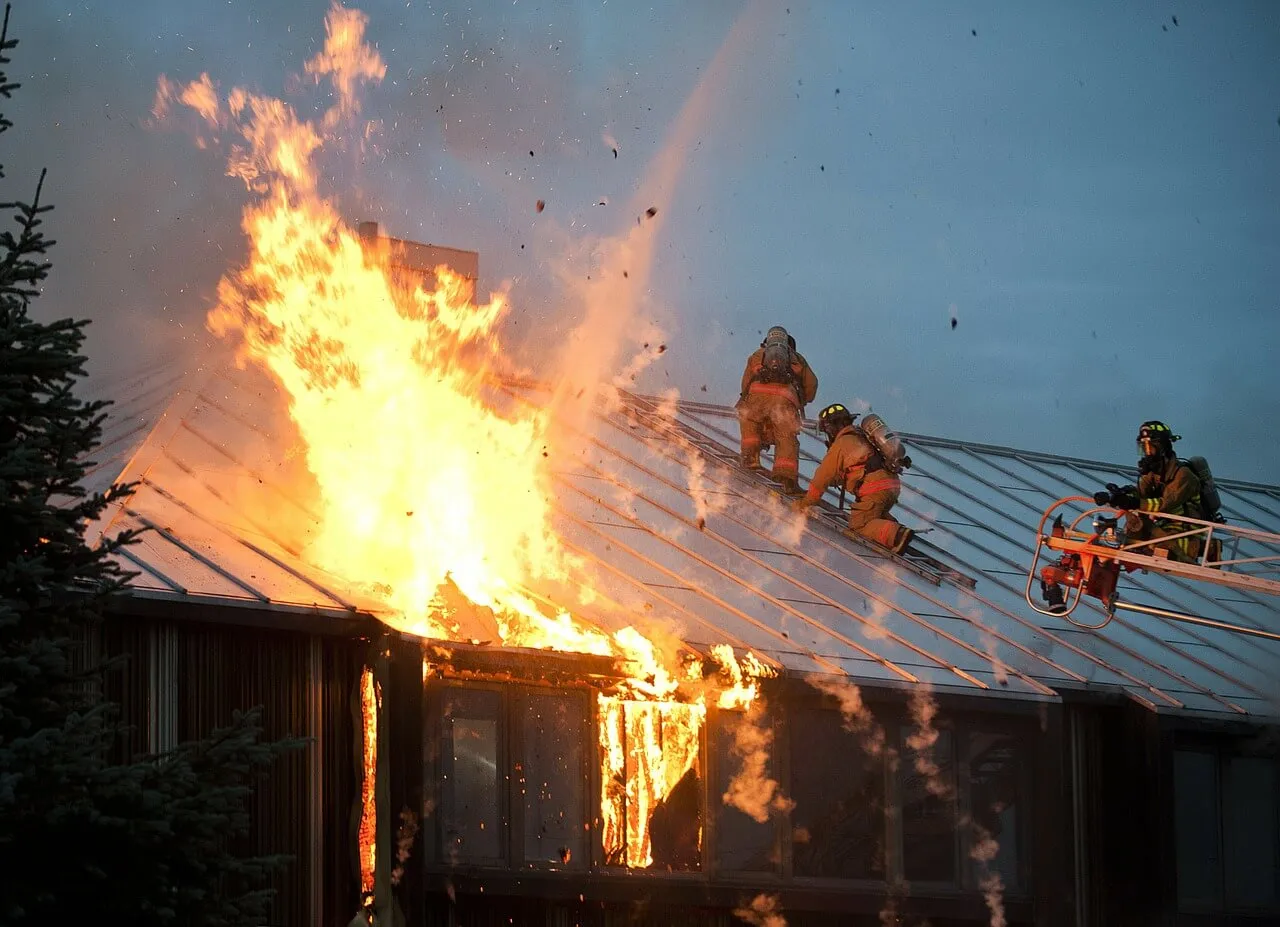
Repeated heating, movement and electrical loading can cause insulation, terminals, internal connections and other components to deteriorate over time. Loose or damaged connections can generate excessive heat and, in some circumstances, lead to fire.
How equipment is used and positioned can also increase the risk. Appliances may overheat when ventilation is restricted or combustible materials are placed too close. Extension leads and power boards can also overheat if they are damaged, overloaded or used incorrectly.
Fan heaters can overheat when airflow is restricted or combustible material enters the unit. Radiant heaters can ignite nearby furnishings or floor coverings if they are placed too close or knocked over.
Power leads can be damaged when trapped beneath the appliance. Moisture, blocked drainage and faults around heating or defrost components can also create hot spots or short circuits.
A failed safety cut-out can allow the appliance to continue heating. Leaks may also allow water to reach electrical components beneath the reservoir.
Loose connections, overloading and damaged insulation can generate heat. Leads exposed to moisture or mechanical damage can create a fault at the lead, plug or socket.
Lamps, ballasts and downlights generate heat that can damage fittings or ignite nearby material when clearances, installation or ventilation are inadequate.
Continuous operation in dusty environments can allow contamination to build up around electrical components. Heat and tracking faults may then develop inside the unit.
Before equipment is used, staff should look for damage or conditions that may indicate the item is unsafe:
If damage or unusual operation is identified, the equipment should not continue to be used.
A visual inspection cannot identify every internal fault or confirm that all protective functions are operating correctly. Testing may therefore be required even when equipment appears undamaged.
Remove damaged or suspect equipment from service and provide ETS with details of the item and the fault or damage observed. ETS can inspect and test the equipment, record the outcome and advise whether it can be returned to service or requires repair, replacement or further assessment.
Call the national desk or send a quote request — we’ll confirm testing sequence and reporting.