Test and tag requirements vary across Australia because each state applies its own workplace safety laws and regulator guidance. The equipment, operating environment and type of work determine which inspection, testing and record requirements apply.
ISO 17020 · ISO 9001 · ISO 45001 · ISO 14001
Test and tag requirements vary across Australia because each state applies its own workplace safety laws and regulator guidance. The equipment, operating environment and type of work determine which inspection, testing and record requirements apply.
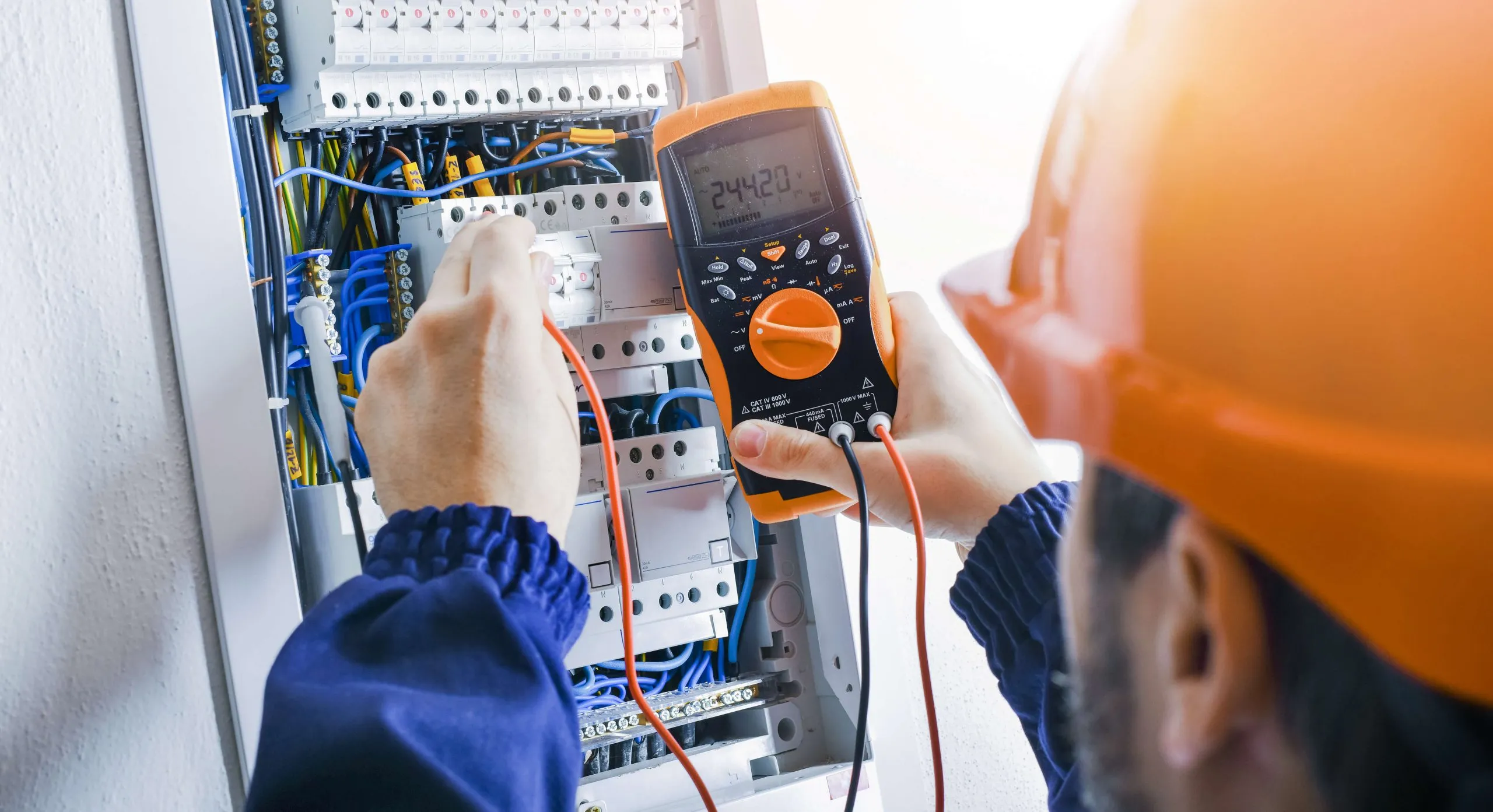
AS/NZS 3760 provides the main framework for in-service inspection and testing, while AS/NZS 3012 applies to testing of electrical installations on construction and demolition sites. State requirements determine how these standards are applied.
NSW requirements cover plug-in equipment used in conditions likely to cause damage or shorten its life. The Work Health and Safety Regulation 2025 and SafeWork NSW guidance set the testing and record-keeping duties.
Queensland regulates testing under the Electrical Safety Act 2002 and Electrical Safety Regulation 2013. Requirements and intervals vary across construction, manufacturing, service, office, rural, amusement and hire work.
WorkSafe Victoria advises employers to inspect, test and maintain electrical equipment according to its type, operating environment and use. Workplace risk and the condition of the equipment determine the testing schedule.
SafeWork SA requires regular inspection and testing for plug-in equipment used in conditions likely to cause damage. Its guidance includes common testing intervals and the records businesses must retain.

A test and tag register should keep each result linked to the correct item. Common records include:
Records may be kept on the equipment tag or in a register, logbook or computerised asset system, subject to the applicable state requirements.
Test and tag forms one part of workplace electrical safety. Visual checks, fault reporting, suitable equipment, RCD protection and prompt removal of damaged items also help control risk. Review the testing scope when equipment, work practices or operating conditions change.
Provide ETS with the state, workplace type, equipment and operating conditions involved. The team can confirm the relevant inspection and testing scope and establish clear asset records for the program.
Call the national desk or send a quote request — we’ll confirm testing sequence and reporting.