Body-protected areas
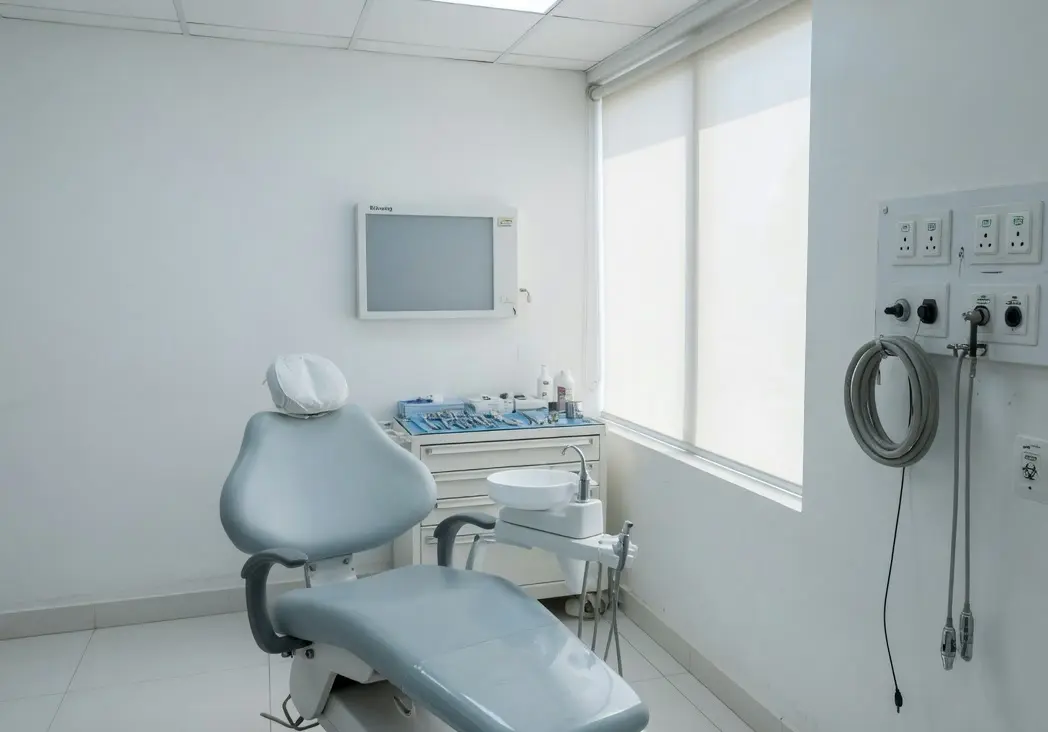
Body-protected areas incorporate enhanced electrical safeguards for locations where patients receive medical or dental treatment. The installation requirements depend on the clinical procedures and intended use of the area.
Patients and clinical teams rely on treatment areas where essential electrical protections are correctly installed and continue to perform as intended. Electrical Testing Services (ETS) checks these installations in medical and dental areas, using appropriately qualified healthcare electrical personnel and Class M inspectors where required.
The facility sets the classification. ETS verifies the installation against the AS/NZS 3003 requirements that apply to that room.
Body-protected areas incorporate enhanced electrical safeguards for locations where patients receive medical or dental treatment. The installation requirements depend on the clinical procedures and intended use of the area.
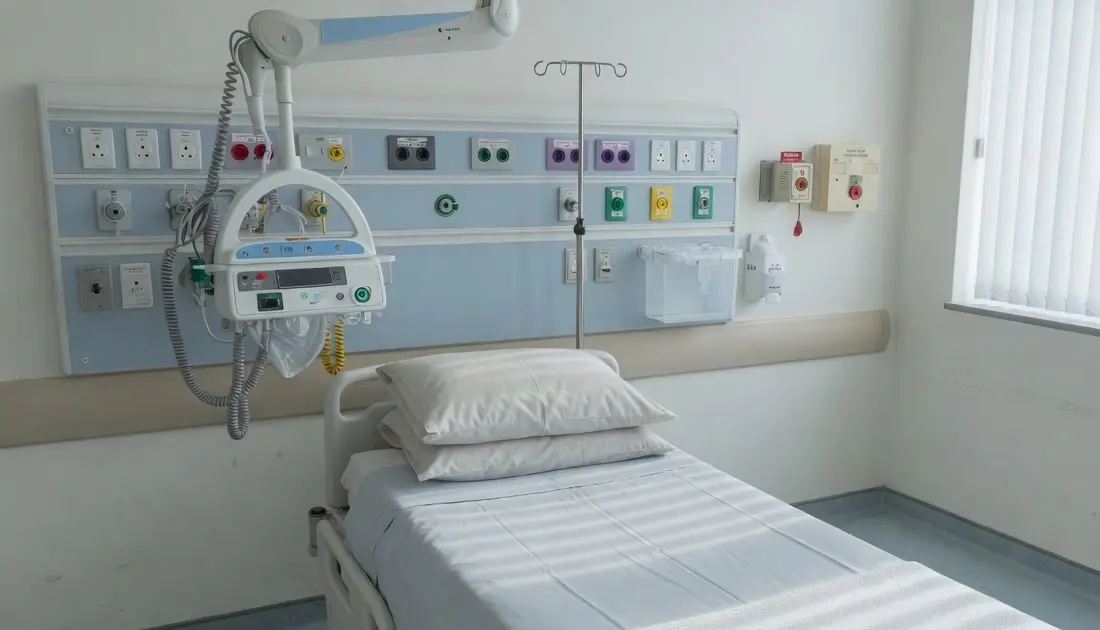
Cardiac-protected areas require a higher level of electrical protection where the responsible healthcare organisation determines that procedures requiring cardiac protection are regularly performed.
The healthcare facility is responsible for defining the clinical use and required classification of the room. The inspector verifies that the electrical installation meets the requirements applicable to that classification.
Patient areas require additional electrical protection because patients may be more vulnerable to electric shock during treatment. Testing confirms that the installation, protective devices, socket identification and records align with the current AS/NZS 3003 requirements applying to the area. The service can support new installations, upgraded rooms and existing areas that require routine verification or an updated audit.
Audits, commissioning, protective devices and certification records for clinical areas.
Existing areas and their classification records
New or upgraded clinical areas
Protective device operation
Socket outlets, circuits and supply identification
Bonding, earthing and documented installation features in scope
Labels, drawings and certification records
Actions required before certification or continued use
Class M inspectors are authorised to perform specialist inspections of patient areas within the scope permitted by the relevant jurisdiction. ETS assigns appropriately qualified personnel and confirms inspection and certification requirements before work begins.
Clear stages from new or altered areas through ongoing verification and detailed certification reporting.
New and altered areas are tested against the design, classification and required installation features before clinical use.
Protected areas require ongoing verification of devices and installation elements at the intervals set by the standard and facility program.
The report identifies the room, classification, tests completed, measured results and defects requiring attention.
Specialist personnel, standards alignment, area-level reporting and national delivery under NATA and ISO systems.

ETS assigns biomedical technicians and appropriately qualified healthcare electrical personnel to specialist work. Class M inspectors are engaged where the inspection scope or jurisdiction requires that authorisation.

Biomedical equipment and patient treatment areas are assessed against the current standards and procedures applicable to the confirmed scope, including AS/NZS 3551 and AS/NZS 3003 where applicable.

Results are recorded against the specific device, room or protected area. This gives clinical engineering, facility and compliance teams a clear basis for follow-up action.

ETS can coordinate regular electrical testing, specialist biomedical work and supporting property services through one national provider, subject to personnel and service availability.

ETS operates under NATA accreditation for applicable inspection activities and maintains certified systems for quality, safety and environmental management.
ISO 17020 · ISO 9001 · ISO 45001 · ISO 14001

Patient treatment areas depend on electrical systems that perform safely and consistently around vulnerable patients and critical equipment. ETS provides specialist inspection and testing to support dependable operation, clear compliance records and safer clinical environments.
We'll come back with a clear scope and next step.