01
Physical inspection
Enclosure, leads, accessories and controls
Medical equipment plays a direct role in patient care, so healthcare teams need confidence that every device is safe and performing as intended. Electrical Testing Services (ETS) assesses the electrical safety and essential performance of each item using procedures specific to the equipment type, with results recorded against the individual device so any required action is clear.
Performance verification confirms that the functions required for a medical device to operate safely continue to perform within the specified limits. It complements electrical safety testing and reflects the equipment type, manufacturer information and applicable AS/NZS 3551 management framework. Before testing begins, ETS confirms the scope with the facility, including the functions, accessories and operating modes to be assessed.
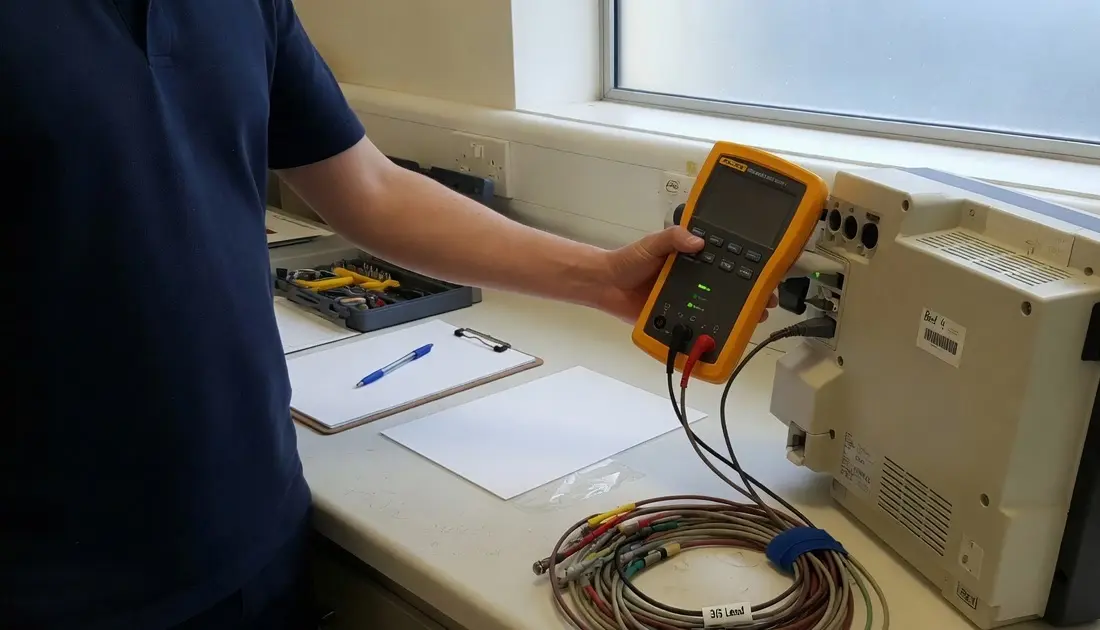
Inspection, electrical safety and functional checks recorded against each device.
Enclosure, leads, accessories and controls
Matched to the equipment classification
The inputs and outputs the device uses
Alarms, indicators and user controls
Checked within the confirmed procedure
Against the equipment-specific acceptance criteria
Defects, limitations and the follow-up required
Biomedical testing capabilities may include ECG systems, centrifuges and selected X-ray equipment where the relevant approved capability applies. The exact device list should be agreed from the facility asset register before the program begins.
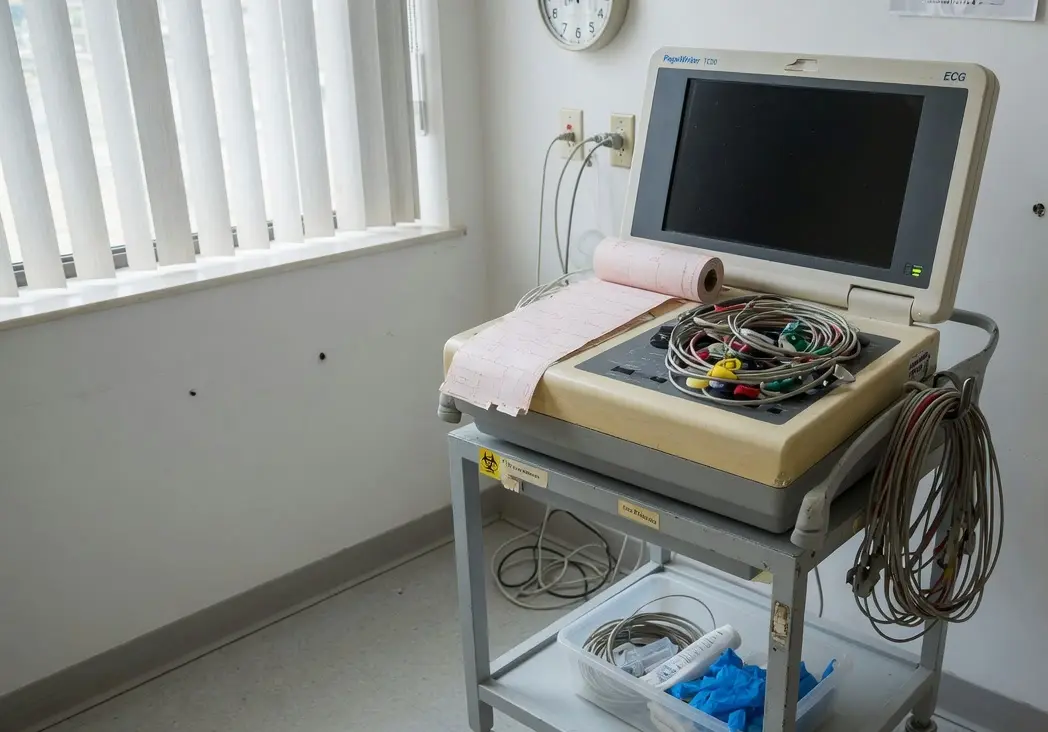
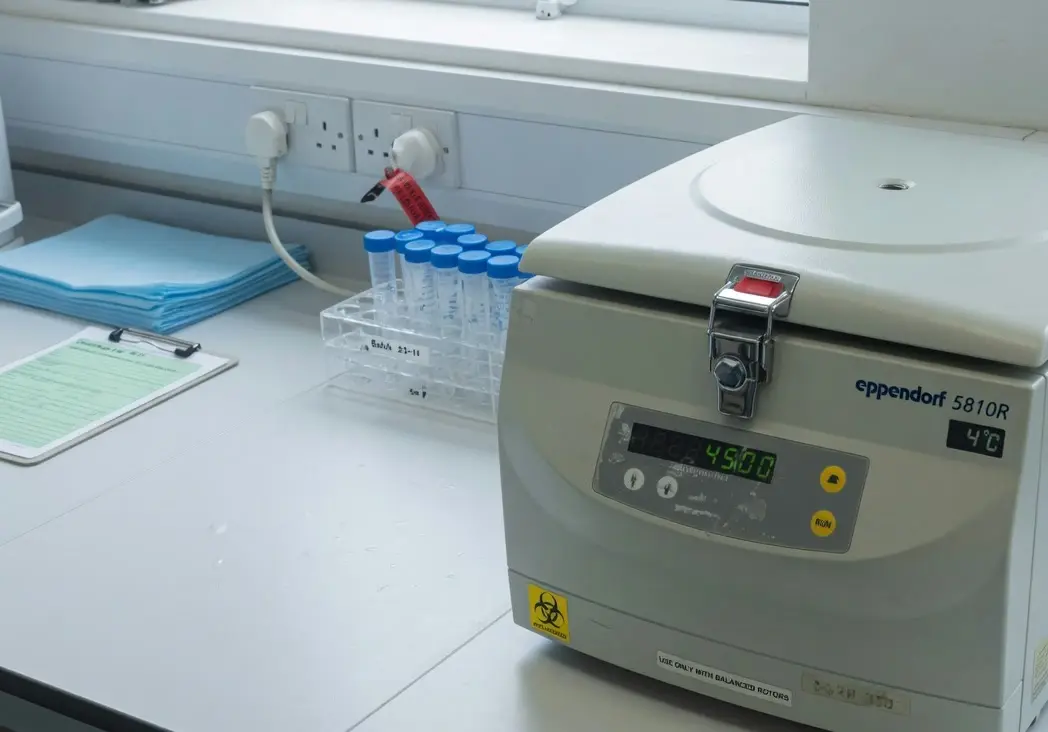
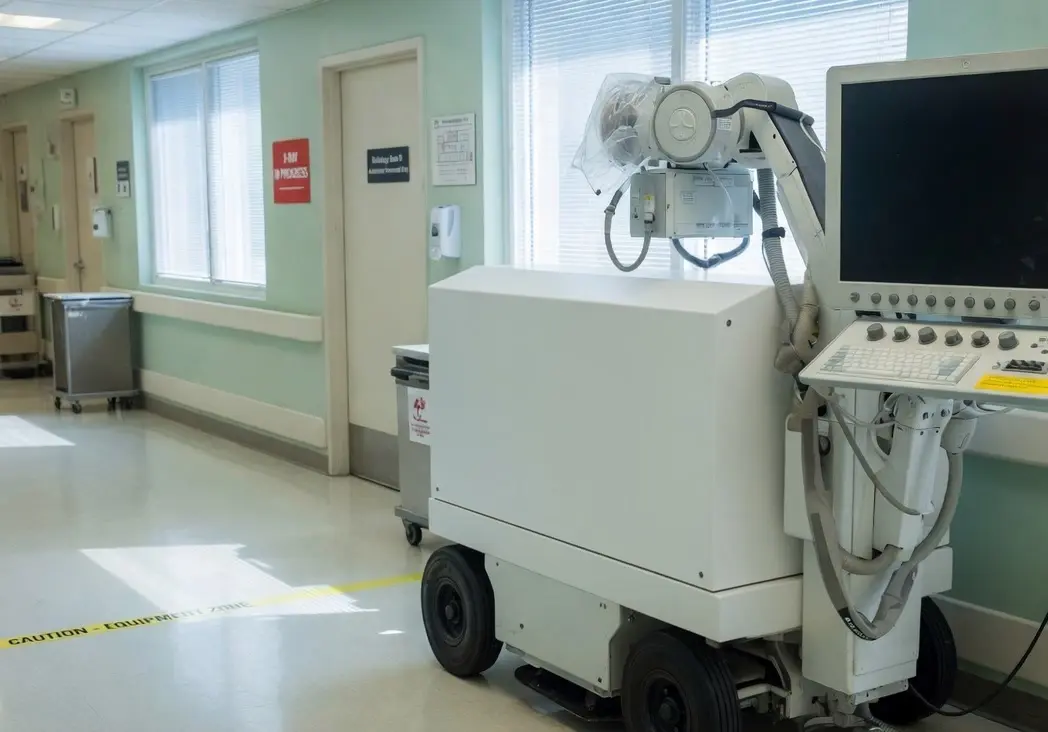
Equipment outside the confirmed procedure or authorisation is identified early so it can be referred to the manufacturer, an approved tester or another suitable specialist.
Acceptance, after repair, routine interval or when performance is uncertain — timed to the equipment management program.
Required at acceptance into service — timed to the equipment management program and applicable standard.
Required after repair before equipment returns to clinical use.
Required at the scheduled routine interval set by the management program.
Required when performance is uncertain or a concern is raised.
Specialist personnel, standards alignment, device-level reporting and national delivery under NATA and ISO systems.

ETS assigns biomedical technicians and appropriately qualified healthcare electrical personnel to specialist work. Class M inspectors are used where the inspection and jurisdiction require that authorisation.

Biomedical equipment and patient treatment areas are assessed against the current standards and procedures relevant to the confirmed scope, including AS/NZS 3551 and AS/NZS 3003 where applicable.

Results are recorded against the specific device, room or protected area. This gives clinical engineering, facility and compliance teams a clear basis for follow-up action.

ETS can coordinate regular electrical testing, specialist biomedical work and supporting property services through one national provider, subject to personnel and service availability.

ETS operates under NATA accreditation for applicable inspection activities and maintains certified systems for quality, safety and environmental management.
ISO 17020 · ISO 9001 · ISO 45001 · ISO 14001

Provide your equipment register and current management records. ETS can confirm the available procedures for each equipment group and build a testing program around clinical access and reporting needs.
We'll come back with a clear scope and next step.